

Engineering has always been about understanding how things behave before they are built, operated, or repaired. Engineers have traditionally relied on drawings, calculations, physical prototypes, testing, and field observations to make decisions. Today, however, engineering is entering a new digital era in which a physical product, machine, building, or manufacturing process can have a living digital counterpart.
This concept is known as a Digital Twin.
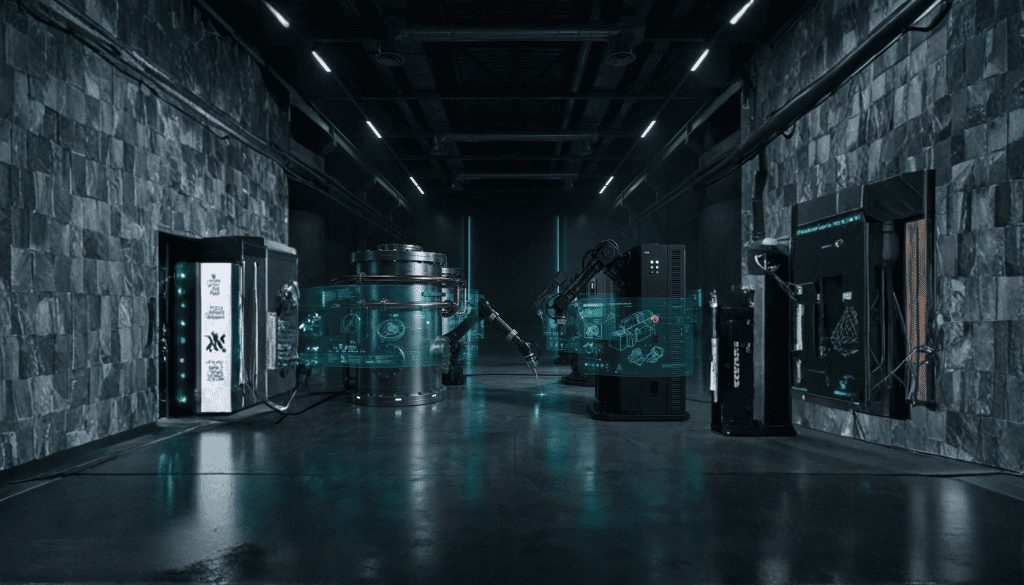
A digital twin is much more than a 3D model. A conventional CAD model represents the geometry of an object, while a digital twin can combine geometry with engineering data, operating conditions, sensor information, simulation results, historical performance, and real-time information. This makes it possible to understand not only what a product looks like, but also how it behaves throughout its lifecycle.
Digital twin technology is becoming increasingly important across mechanical engineering, manufacturing, civil engineering, aerospace, automotive, energy, construction, and infrastructure. When combined with technologies such as artificial intelligence, Internet of Things (IoT), cloud computing, CAD, BIM, and engineering simulation, digital twins can transform how engineers design, manufacture, monitor, and maintain physical systems.
But what exactly is a digital twin, how does it work, and why is it becoming so important?
Let’s explore.
What Is a Digital Twin?
A digital twin is a digital representation of a physical object, system, process, or environment that can be connected to information from its real-world counterpart.
The simplest way to understand the concept is to imagine a machine on a factory floor.
A traditional CAD model might show the machine’s dimensions, components, materials, and assembly. A digital twin can go much further. It can incorporate information such as:
- Current operating temperature
- Vibration levels
- Pressure
- Speed
- Energy consumption
- Maintenance history
- Component condition
- Production data
- Simulation results
- Historical failures
- Expected performance
The digital representation can then be used to analyze the machine, identify potential problems, simulate different operating conditions, and support maintenance decisions.
In other words, a digital twin creates a connection between the physical world and the digital world.
The concept can be represented as:
Physical Asset → Sensors/Data → Digital Model → Analysis/Simulation → Decision → Physical Action
The process becomes even more powerful when artificial intelligence and machine learning are added to the system.
Digital Twin vs. Traditional 3D CAD Model
One of the most common misconceptions is that a digital twin is simply a sophisticated 3D CAD model.
It is not.
A CAD model primarily describes the geometry and design intent of a component or assembly. It may contain dimensions, materials, tolerances, features, and other engineering information.
A digital twin can use the CAD model as one of its foundations, but it is designed to represent the behavior and condition of a physical asset throughout its lifecycle.
Consider a pump.
A CAD model can show the pump’s geometry.
A digital twin can potentially show:
- How the pump was designed
- What materials were used
- How it was manufactured
- How it was installed
- Current operating conditions
- Historical vibration data
- Temperature changes
- Flow rates
- Maintenance records
- Predicted component degradation
- Expected remaining useful life
Therefore, CAD is primarily a design representation, while a digital twin is a connected lifecycle representation.
This distinction becomes particularly important as engineering moves toward simulation-driven design and data-driven decision-making.
How Does Digital Twin Technology Work?
A digital twin generally consists of several interconnected layers.
1. Physical Asset
The first component is the real-world object or system.
It could be:
- An automobile
- A turbine
- A bridge
- A manufacturing machine
- A building
- An aircraft
- A casting process
- An industrial plant
- A production line
The physical asset generates information during its operation.
2. Sensors and Data Collection
Sensors can collect information from the physical asset.
Depending on the application, these sensors may measure:
- Temperature
- Pressure
- Vibration
- Speed
- Strain
- Flow
- Electrical consumption
- Position
- Humidity
- Noise
- Force
The collected information becomes an important source of data for the digital model.
3. Digital Model
The digital model represents the physical system.
This may include CAD geometry, BIM information, engineering specifications, simulation models, equipment information, and operational data.
4. Data Platform
Large engineering systems generate enormous quantities of information. Cloud platforms and databases can store and organize this information so that engineers and other stakeholders can access it.
5. Simulation and Analytics
Engineering simulation can be used to determine how the system behaves under different conditions.
For example, engineers can study:
- Structural stress
- Thermal behavior
- Fluid flow
- Fatigue
- Vibration
- Casting defects
- Energy consumption
- Manufacturing performance
6. Artificial Intelligence and Machine Learning
AI can analyze historical and real-time data to identify patterns that may not be obvious to humans.
Machine learning can help predict:
- Equipment failures
- Performance degradation
- Maintenance requirements
- Process abnormalities
- Energy consumption
- Quality problems
Together, these technologies allow the digital twin to become more than a static model. It becomes an analytical representation of the physical system.
The Role of CAD in Digital Twins
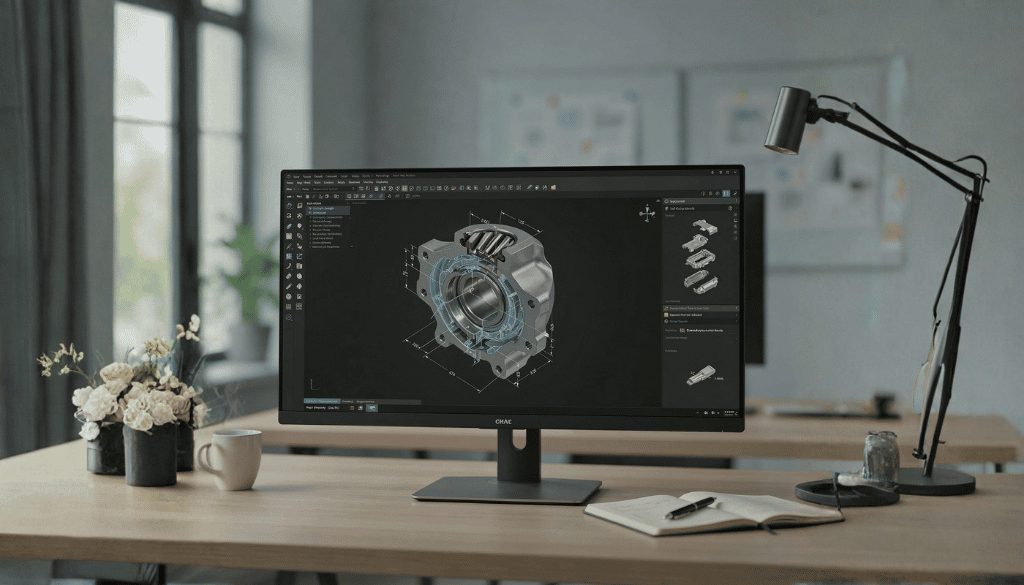
CAD remains one of the most important foundations for engineering digital twins.
Before engineers can analyze an object digitally, they often need an accurate representation of its geometry.
A CAD model provides information about:
- Shape
- Dimensions
- Components
- Assembly relationships
- Materials
- Design features
- Manufacturing requirements
The CAD model can then be connected with simulation, sensor, manufacturing, and operational data. For example, an automotive company may create a detailed CAD model of an engine component. Engineers can use simulation to study its thermal and structural behavior. Once the component is manufactured and installed, operational data can be connected to the digital representation.
This creates a continuous digital thread from design to manufacturing to operation. That connection is one of the major advantages of digital twin technology.
Digital Twins and Engineering Simulation
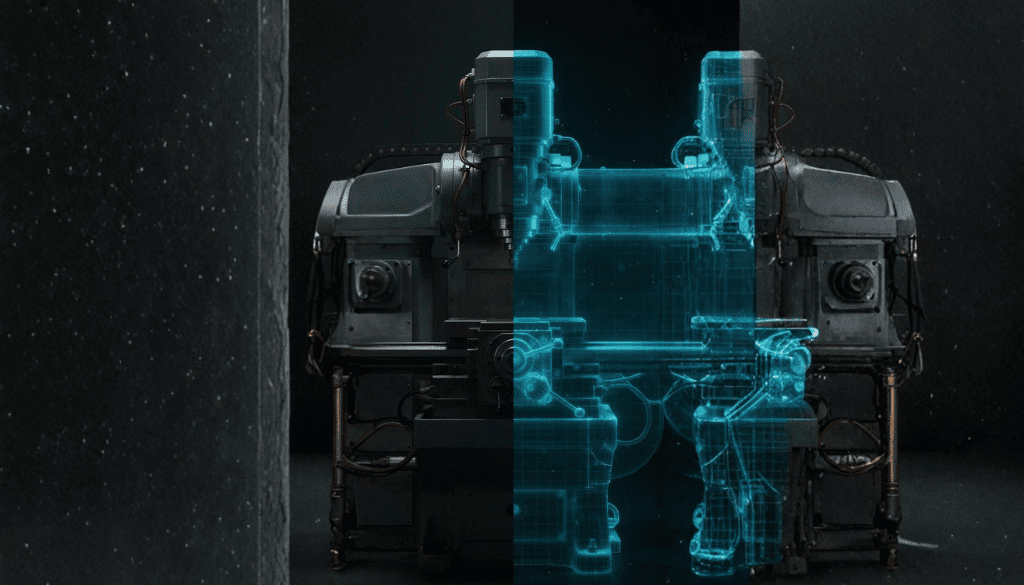
Simulation is another major component of modern digital twins.
Traditional engineering simulation is generally performed to answer a specific question.
For example:
“Will this component withstand the expected load?”
Or:
“Will this casting develop shrinkage defects?”
Or:
“How will this structure respond to wind loading?”
A digital twin can extend this concept by connecting simulation with actual operational data.
Suppose engineers have a digital twin of a machine.
The machine’s sensors show that vibration levels are increasing. Engineers can use the digital model and simulation tools to investigate what could be causing the change.
Different scenarios can be tested digitally before engineers make physical changes.
This creates a powerful cycle:
Monitor → Analyze → Simulate → Predict → Optimize → Act
The result is a more informed engineering process.
Digital Twins in Manufacturing
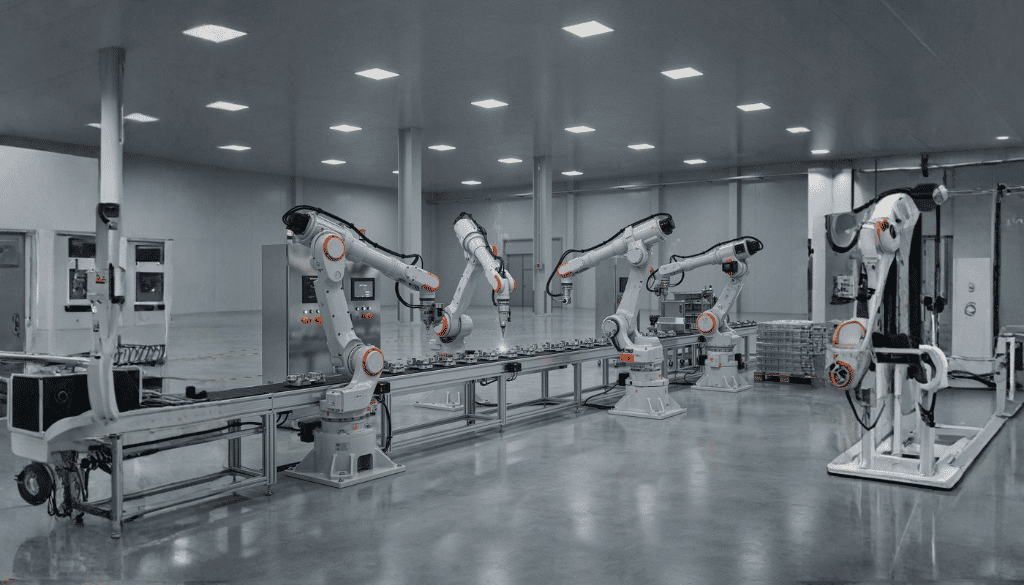
Manufacturing is one of the areas where digital twins can deliver significant value.
A modern manufacturing facility may contain hundreds or thousands of machines, robots, sensors, conveyors, inspection systems, and production processes.
Managing all of these components manually can be difficult.
A digital twin of a production line can provide a digital representation of the manufacturing process.
Engineers can use it to analyze:
- Production flow
- Machine utilization
- Bottlenecks
- Equipment performance
- Energy consumption
- Production quality
- Maintenance requirements
- Material movement
Before modifying an actual production line, engineers can simulate proposed changes digitally.
For example, a manufacturer considering the installation of a new machine could create a digital representation of the production line and analyze how the new machine might affect production capacity and material flow.
This reduces the need to experiment directly on the physical production floor.
Digital Twins in Metal Casting
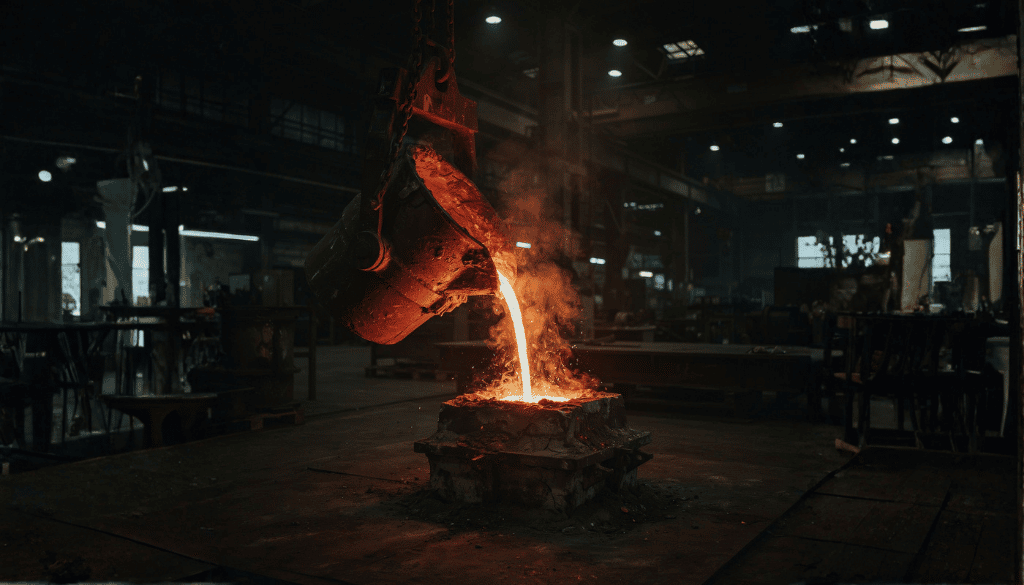
Digital twin technology also has interesting applications in metal casting and foundry operations.
Casting processes involve many variables, including:
- Alloy composition
- Pouring temperature
- Mold temperature
- Filling time
- Cooling rate
- Solidification
- Feeding
- Riser design
- Mold geometry
Small changes in process conditions can affect the quality of the final casting.
Engineering simulation can already be used to predict filling and solidification behavior before a physical casting is produced.
A digital twin can take this further by connecting simulation models with actual production information.
For example, a foundry could use historical casting data, process parameters, simulation results, and inspection information to develop a digital representation of its production process.
Over time, the system could help engineers understand relationships between process parameters and casting defects.
This can support better process optimization and reduce dependence on repeated physical trials.
The combination of CAD + simulation + process data + AI + digital twins therefore has significant potential in modern manufacturing.
Digital Twins in Mechanical Engineering
Mechanical engineers work with complex systems that operate under varying loads and environmental conditions.
Digital twins can support mechanical engineering throughout the lifecycle of a product.
During design, engineers can use digital models and simulation to evaluate alternative concepts.
During manufacturing, digital information can help monitor production.
During operation, sensor data can provide information about real-world performance.
During maintenance, engineers can analyze equipment condition and identify potential problems.
This creates a lifecycle approach rather than treating design, manufacturing, and maintenance as completely separate activities.
For example, consider an industrial gearbox.
Its digital twin could contain information about:
- Gear geometry
- Material properties
- Bearing specifications
- Manufacturing information
- Design loads
- Simulation results
- Lubrication history
- Operating temperature
- Vibration measurements
- Maintenance records
If vibration begins to increase, engineers can compare the new data with historical behavior and simulation results.
This can support condition-based maintenance rather than relying solely on fixed maintenance intervals.
Digital Twins in Civil Engineering and Construction
Digital twins are also becoming increasingly relevant to buildings and infrastructure.
In construction, digital twins can be connected to BIM models, project information, sensors, inspection records, and facility management systems.
A building digital twin could contain information about:
- Structural components
- HVAC systems
- Electrical systems
- Plumbing
- Energy consumption
- Occupancy
- Equipment condition
- Maintenance history
For infrastructure such as bridges, tunnels, and large industrial structures, sensors can monitor conditions such as vibration, strain, temperature, and movement.
Engineers can use this information to understand how structures behave over time.
The combination of BIM and digital twins is particularly interesting because BIM provides detailed information about the built environment, while a digital twin can extend that representation into the operational phase.
This can help bridge the gap between design, construction, operation, and maintenance.
Digital Twins in Automotive Engineering
Automotive engineering is another field where digital twins can play an important role.
Modern vehicles contain mechanical systems, electronic systems, software, sensors, and complex control systems.
Engineers can use digital representations to evaluate vehicle performance and investigate different scenarios.
Potential applications include:
- Powertrain analysis
- Battery systems
- Thermal management
- Aerodynamics
- Structural performance
- Vehicle dynamics
- Manufacturing
- Predictive maintenance
Electric vehicles make this area even more interesting because battery performance depends on factors such as temperature, charging behavior, usage patterns, and operating conditions.
A digital twin can help engineers study battery behavior and identify changes in performance over time.
Digital Twins in Aerospace
Aerospace systems are expensive, complex, and safety-critical.
Testing every possible operating condition physically is often impractical.
Digital twins can support aerospace engineering by providing digital representations of aircraft components, engines, systems, or entire aircraft.
Potential applications include:
- Structural analysis
- Engine monitoring
- Thermal analysis
- Fatigue assessment
- Maintenance planning
- Performance optimization
- System diagnostics
The ability to combine physical testing, simulation, historical data, and operational information can help engineers make better-informed decisions.
For safety-critical industries, however, digital twin technology should complement validated engineering methods rather than replace engineering judgment.
Predictive Maintenance: One of the Biggest Benefits
One of the most practical applications of digital twins is predictive maintenance.
Traditional maintenance strategies often fall into two categories.
Reactive maintenance means repairing equipment after failure.
Preventive maintenance means servicing equipment at predefined intervals.
Predictive maintenance attempts to determine when maintenance is actually required based on the condition of the equipment.
Suppose a motor normally operates within a specific vibration range.
If the vibration gradually increases, the digital system can identify the trend.
Machine learning models can compare the current behavior with historical patterns and potentially alert engineers that a component may be degrading.
This allows maintenance teams to investigate the problem before a major failure occurs.
The goal is not simply to predict failures. The goal is to improve:
- Reliability
- Equipment availability
- Maintenance planning
- Safety
- Operational efficiency
- Asset lifespan
Benefits of Digital Twin Technology
Digital twins offer several potential advantages to engineering organizations.
Reduced Physical Prototyping
Engineers can explore more scenarios digitally before building physical prototypes.
This can reduce the number of physical iterations required during development.
Faster Design Decisions
Simulation and digital analysis can provide information earlier in the development process.
Engineers can compare alternatives without physically manufacturing every option.
Better Predictive Maintenance
Real-time and historical data can help identify changes in equipment behavior.
This supports more informed maintenance decisions.
Improved Product Quality
Connecting design, simulation, manufacturing, and operational information can help engineers identify problems earlier.
Improved Collaboration
Digital information can provide a common environment for engineers, manufacturers, maintenance teams, and managers.
Better Resource Utilization
Digital twins can help organizations understand energy consumption, machine utilization, material usage, and production efficiency.
Lifecycle Visibility
Perhaps the biggest advantage is the ability to connect information across the entire lifecycle of an asset.
Instead of treating design, manufacturing, operation, and maintenance as isolated activities, organizations can create a connected engineering workflow.
Challenges of Digital Twin Adoption
Despite its potential, digital twin technology is not a magic solution.
Organizations must address several challenges before implementing it successfully.
Data Quality
A digital twin is only as useful as the information supporting it.
Incorrect, incomplete, outdated, or inconsistent data can lead to unreliable conclusions.
Integration Complexity
Engineering organizations often use multiple software systems.
CAD, BIM, ERP, PLM, simulation, IoT, maintenance, and manufacturing systems may all contain different types of information.
Connecting these systems can be technically challenging.
Cybersecurity
Digital twins may contain sensitive engineering and operational information.
Strong cybersecurity measures are therefore essential.
Cost
Building a sophisticated digital twin requires investment in software, sensors, data infrastructure, computing resources, and skilled personnel.
Organizations need to identify clear business and engineering objectives before investing heavily.
Skills Gap
Digital twin projects require multidisciplinary knowledge.
Teams may need expertise in:
- Engineering
- CAD
- Simulation
- IoT
- Data analytics
- Cloud computing
- Artificial intelligence
- Software integration
Developing these skills can take time.
The Role of Artificial Intelligence
Artificial intelligence can significantly expand the capabilities of digital twins.
A basic digital twin may show current information about an asset.
An AI-enabled digital twin can analyze patterns and potentially predict future conditions.
For example, machine learning could examine thousands of operating records to identify conditions associated with equipment failure.
AI can also help optimize engineering processes by evaluating multiple variables simultaneously.
This creates an important progression:
Digital Model → Connected Digital Twin → Intelligent Digital Twin
The first represents the physical system.
The second connects the representation with real-world information.
The third uses AI and analytics to understand patterns, predict behavior, and support decisions.
This is one reason digital twins are closely connected to the broader development of Industry 4.0.
Digital Twins and Industry 4.0
Industry 4.0 refers to the increasing integration of digital technologies into manufacturing and industrial processes.
Key technologies include:
- Industrial IoT
- Artificial intelligence
- Robotics
- Cloud computing
- Big data
- Automation
- Advanced simulation
- Digital twins
Digital twins can act as a connecting layer between many of these technologies.
For example, sensors collect information from machines.
Cloud platforms store the data.
AI analyzes the information.
Simulation predicts possible outcomes.
The digital twin brings these elements together into a digital representation of the physical system.
This makes digital twins an important component of the smart manufacturing ecosystem.
What Is the Future of Digital Twin Technology?
The future of digital twins is likely to become increasingly intelligent and interconnected.
Instead of creating digital twins only for individual machines, organizations may create connected twins representing entire systems.
A factory could have:
Machine Twin → Production Line Twin → Factory Twin → Supply Chain Twin
Similarly, a city could eventually integrate digital representations of:
- Buildings
- Roads
- Bridges
- Transportation
- Energy systems
- Water infrastructure
- Public facilities
Artificial intelligence could analyze these interconnected systems to identify opportunities for optimization.
Another important development will be the increasing connection between digital twins and real-time simulation.
Engineers may be able to change operating parameters in a digital environment and immediately evaluate possible consequences.
This could make engineering decision-making increasingly predictive rather than reactive.
Will Digital Twins Replace Engineers?
No.
Digital twins are tools that enhance engineering capability.
They can process enormous quantities of data, perform simulations, identify patterns, and provide predictions. However, engineering decisions often require context, experience, judgment, safety considerations, standards, and an understanding of real-world limitations.
An engineer still needs to determine:
- Whether a model is appropriate
- Whether the data is reliable
- Whether assumptions are reasonable
- Whether results make physical sense
- Whether a proposed solution is safe
- Whether standards and regulations are satisfied
The future is therefore unlikely to be about engineers versus technology.
It is more likely to be about engineers using technology more effectively.
How Companies Can Start With Digital Twins
Organizations do not necessarily need to build an enormous digital twin ecosystem immediately.
A better approach can be to begin with a focused problem.
For example:
- Identify one critical machine or process.
- Determine what information is currently available.
- Install or integrate the necessary sensors.
- Create an accurate digital representation.
- Connect operational data.
- Establish simulation or analytical models.
- Monitor performance.
- Measure the results.
- Improve the model.
- Expand the approach to additional assets.
This gradual approach can help organizations understand the technology before making larger investments.
The objective should not be to create a digital twin simply because it is a popular technology.
The objective should be to solve a real engineering or business problem.
Conclusion
Digital twin technology represents an important evolution in engineering.
Traditional engineering has always depended on physical testing, mathematical analysis, drawings, and engineering experience. Digital twins add another dimension by connecting physical assets with digital models, simulation, sensors, operational information, and increasingly artificial intelligence.
From manufacturing plants and metal casting to automobiles, aircraft, buildings, bridges, and industrial equipment, digital twins can support better design decisions, predictive maintenance, process optimization, and lifecycle management.
The technology is especially powerful when combined with CAD, BIM, engineering simulation, IoT, cloud computing, and AI.
However, successful implementation requires more than software. Organizations need reliable data, clear objectives, appropriate engineering models, cybersecurity, integration strategies, and skilled professionals.
The most important idea is simple:
A digital twin is not merely a digital copy of something physical. It is a way of connecting engineering knowledge with real-world behavior.
As engineering becomes increasingly digital, this connection between the physical and virtual worlds will become more important.
The engineers who understand how to combine traditional engineering principles with simulation, data, AI, and digital twin technology will be well positioned to participate in the next generation of engineering innovation.
The future of engineering may not simply be about designing better products.
It may be about creating living digital engineering systems that help us understand, predict, optimize, and improve those products throughout their entire lifecycle.
Frequently Asked Questions
What is a digital twin in engineering?
A digital twin is a digital representation of a physical product, machine, structure, process, or system that can incorporate engineering models, operational information, sensor data, simulation results, and historical information.
Is a digital twin the same as a CAD model?
No. A CAD model primarily represents the geometry and design of an object. A digital twin can use CAD as a foundation but can also incorporate real-world operating data, simulation, sensor information, maintenance records, and performance information.
What technologies are used to create digital twins?
Digital twins commonly involve CAD or BIM, IoT sensors, databases, cloud computing, engineering simulation, data analytics, artificial intelligence, and machine learning.
How are digital twins used in manufacturing?
Digital twins can represent machines, production lines, and manufacturing processes. They can help engineers analyze production flow, monitor equipment, identify bottlenecks, optimize processes, and support predictive maintenance.
Can digital twins be used in construction?
Yes. Digital twins can be connected with BIM models and building systems to monitor structures, equipment, energy consumption, maintenance requirements, and operational performance.
What is the relationship between AI and digital twins?
AI can analyze the large amounts of information generated by a digital twin. Machine learning can identify patterns, predict potential problems, and support optimization, making the digital twin more intelligent and predictive.
Are digital twins useful for mechanical engineers?
Yes. Mechanical engineers can use digital twins for product development, simulation, equipment monitoring, predictive maintenance, manufacturing optimization, and lifecycle management.
What is predictive maintenance?
Predictive maintenance uses equipment condition and operational data to identify potential problems before they result in failure. Digital twins can support predictive maintenance by combining sensor data, historical information, simulation, and analytics.
What is the future of digital twin technology?
Digital twins are expected to become increasingly connected with AI, real-time simulation, IoT, cloud computing, robotics, BIM, and advanced analytics. Future systems may represent not only individual machines but entire factories, infrastructure networks, and interconnected industrial ecosystems.